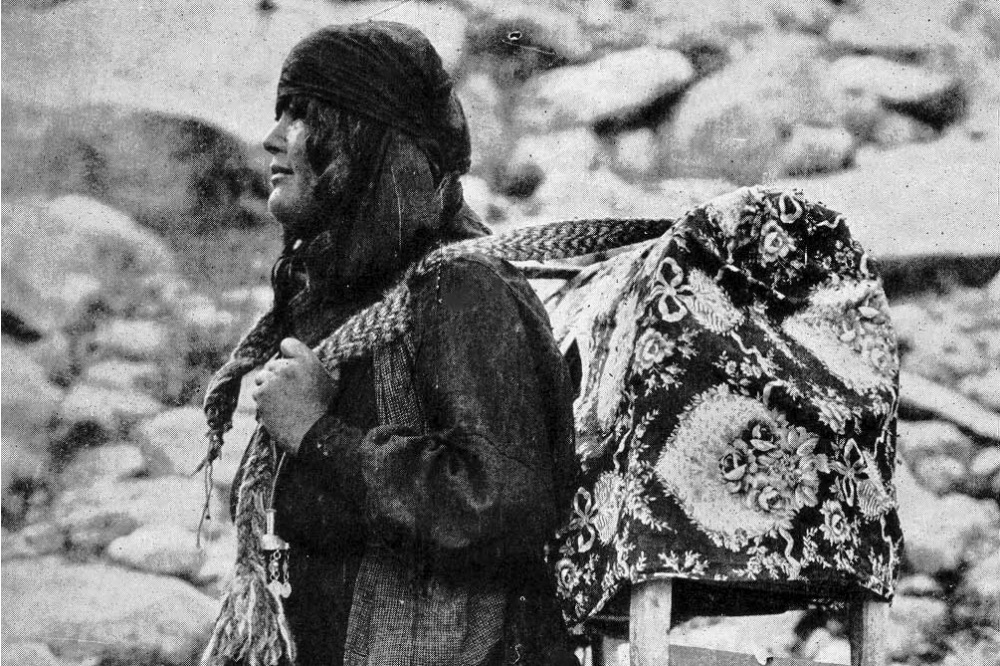
Grass - GRASS: A Nation's Battle for Life
Live begleitet von Peyman Yazdanian, Piano und Adib Rostami, kamancheh und tonbak
1925, Iran/US, R: Merian C. Cooper and Ernest B. Schoedsack, 63 Min [ENGLISH]
International releases and related retrospective screenings (such as 100-year anniversary events) extend into subsequent years like 1926!
Tickets: 20 €
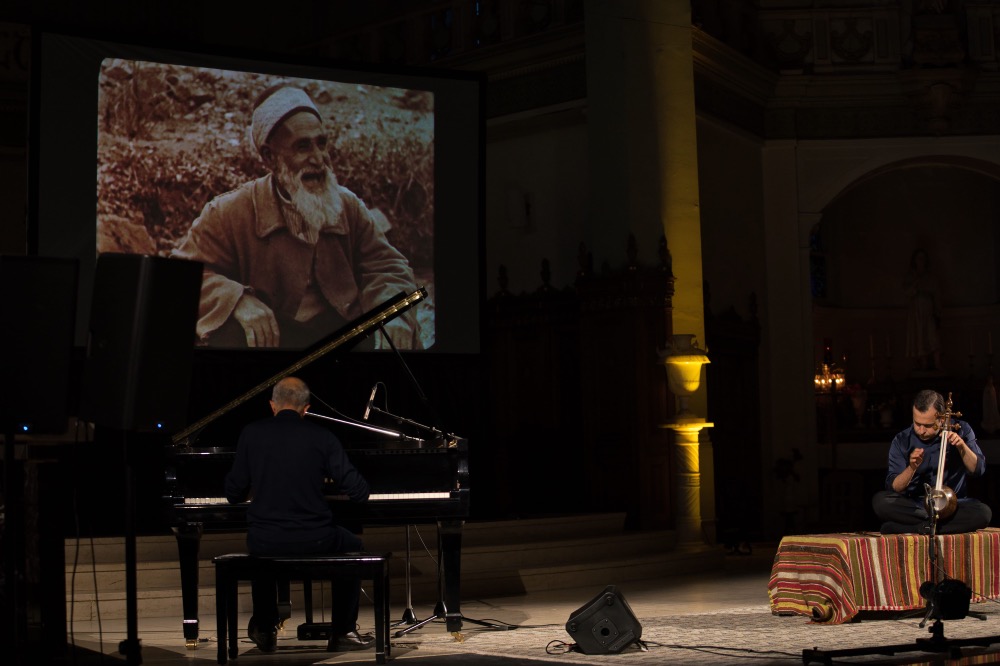 Join us for an exclusive evening celebrating the centenary of the silent cinema classic ‘Grass: A Nation’s Battle for Life’ (1925), to be screened in a brand-new restoration courtesy of the Museum of Modern Art in New York, and accompanied by a mesmerizing live performance by acclaimed Iranian composer Peyman Yazdanian.
Grass, one of the canonical greats of the silent era by the directorial team of Merian C. Cooper and Ernest B. Schoedsack—today mostly remembered for their iconic sound-era cult film King Kong—is a documentary on the heroic annual migration of the nomadic Bakhtiari tribes of Iran.
It is an epic film about people who live epic lives. The restless filmmakers identify with the people they follow, transforming their journey into some of the grandest vistas of silent cinema ever captured on film.
The film will be accompanied by Peyman Yazdanian, an acclaimed Iranian pianist and composer renowned for his film scores and contemporary classical works.
His music, blending Western and Persian influences, has been featured in the soundtracks of films by Abbas Kiarostami and Asghar Farhadi.
For this screening, he will be joined by Adib Rostami on kamancheh and tonbak, adding a rich musical dimension to the experience.
Presented by: Taqato Berlin & Tehran Contemporary Sounds
"Restored by The Museum of Modern Art in all its breathtaking splendor, Grass is one of the great epics of the silent era, by the filmmaking team that would become famous for King Kong.
The film is an exhilarating documentary on the migration of the nomadic tribe of Bakhtiari in central Iran and their crossing of the Zagros Mountain.
Though contemporary Iranian audiences were apparently nonplussed, the film had a memorable revival at the Shiraz Arts Festivals of 1976, and today it is cherished as the indelible portrait of a lost way of life and a testimony to the grandeur of the Iranian landscape and the resilience of its people." MoMa


