


Soy Cuba: Memorias del subdesarollo [Memories of Underdevelopment], CU 1968, R: Tomás Gutiérrez Alea mit Sergio Corrieri, Daisy Granados, Eslinda Núñez, 97 Min, OmU
+ 2 € für Solar
DE
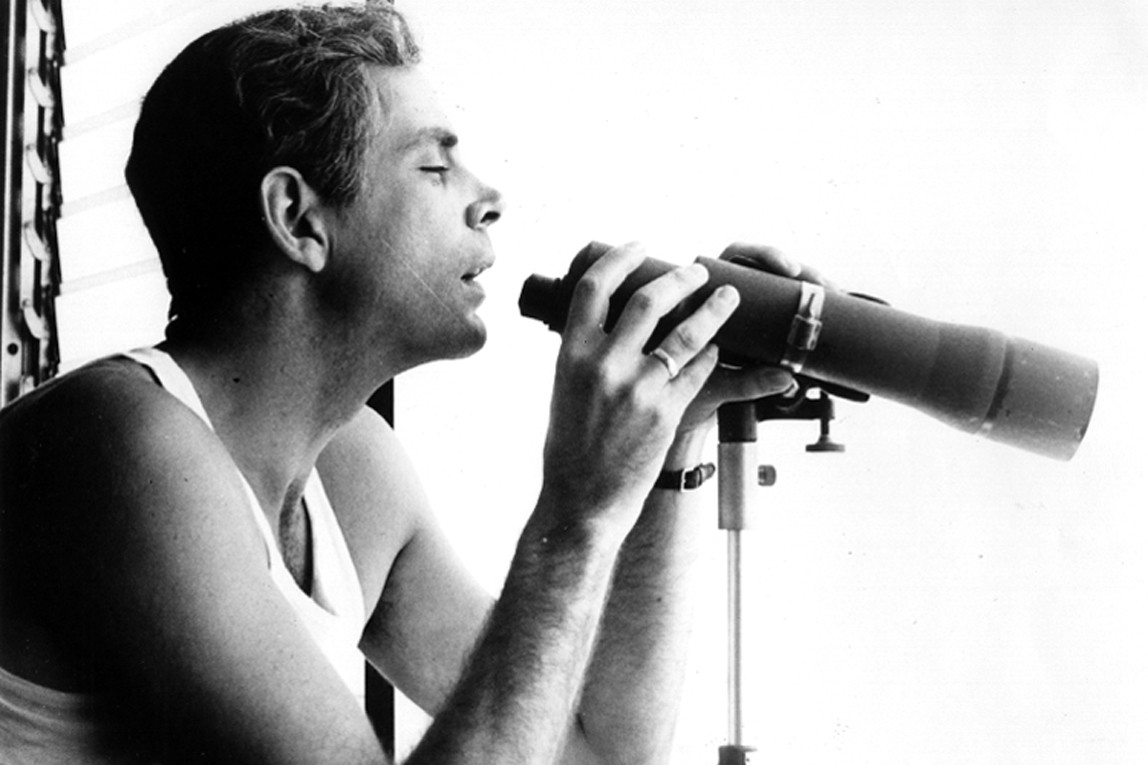
Sergio, ein „bürgerlicher Intellektueller“, ist nach der Revolution im Land geblieben, nicht aus Überzeugung, sondern aus Bequemlichkeit und ein bisschen Neugier. Seine Frau hat ihn und Cuba verlassen. Er verbringt seine Tage vorwiegend mit Träumereien und in einer Art innerem Monolog mit Selbstgesprächen, die er auf Tonband aufzeichnet. Die Veränderungen, die sich in seiner Umgebung abspielen, beobachtet er vom Balkon seiner luxuriösen Hochhauswohnung aus, wo er seine Memoiren zu schreiben versucht, sich erinnernd an die alte Zeit, um die neue zu analysieren und zu verstehen. Das erweist sich als zunehmend schwierig... Der ambivalente Sergio lernt die junge Elena kennen, die ihn zwar fasziniert, die er aber gleichzeitig als „unterentwickelt“ verachtet und die er nach seinen Vorstellungen „zu formen“ versucht. Da er sie nicht heiraten will, zeigt ihre Familie ihn an – wegen Vergewaltigung. „So kommt der bürgerliche Sergio eines Tages im revolutionären Kuba vor Gericht – angeklagt nicht eines politischen Verbrechens, sondern wegen Vergewaltigung“(arte). Der nach der gleichnamigen - auch ins Deutsche übersetzten - literarischen Vorlage des Kubaners Edmundo Desnoes (1930 – 2023) entstandene Film entwickelt seine Handlung in einer fragmentierten, essayistischen Form. Tomás Gutiérrez Aleas' vielschichtiger und subtiler Film ist eine der klügsten und tiefgründigsten Reflexionen über die kubanische Revolution, schillernd und rätselhaft wie sein Titel. Memorias del subdesarrollo gehört zu den wichtigsten Filmen Lateinamerikas und wurde mit seiner essayistischen Form, der Montage von Spielfilmhandlung und dokumentarischem Archivmaterial in nicht klarer zeitlicher, sondern eher assoziativer Anordnung zu einem Meilenstein des Weltkinos.
EN
Sergio, a ‘bourgeois intellectual’, stayed in the country after the revolution, not out of conviction, but out of convenience and a touch of curiosity. His wife left him and Cuba. He spends most of his days daydreaming and engaged in a sort of interiour monologue, talking to himself whilst recording his thoughts on tape. He observes the changes taking place around him from the balcony of his luxurious high-rise flat, where he tries to write his memoirs, recalling the old days in order to analyse and understand the new ones. This proves increasingly difficult... The ambivalent Sergio meets the young Elena, who fascinates him but whom he simultaneously despises as ‘underdeveloped’ and whom he attempts to ‘mould’ according to his own ideas. As he does not wish to marry her, her family reports him to the authorities – for rape. ‘And so, one day, the bourgeois Sergio finds himself on trial in revolutionary Cuba – charged not with a political crime, but with rape’ (arte). Based on the literary work of the same name by the Cuban author Edmundo Desnoes (1930–2023) the film unfolds its narrative in a fragmented, essayistic style. Tomás Gutiérrez Alea’s multi-layered and subtle film is one of the most intelligent and profound reflections on the Cuban Revolution, as dazzling and enigmatic as its title.
*Memorias del subdesarrollo* is one of Latin America’s most important films and, with its essayistic form – combining a fictional narrative with documentary archive footage in a sequence that is not strictly chronological but rather associative – has become a milestone in world cinema.
ES
La película, basada en la novela homónima de Edmindo Desnoes († diciembre del 2023), muestra cómo las contradicciones de Sergio, un burgués aspirante a escritor, se reflejan cuando decide quedarse en Cuba a pesar de que su esposa y amigos huyen a Miami tras la revolución. Sergio reflexiona los cambios en el país durante la crisis de los misiles, el efecto de vivir en lo que llama un país subdesarrollado y sus relaciones con sus novias Elena y Ana. Se forma la imagen de un hombre a quien su creciente entendimiento también le produce creciente desequilibrio: sabe que para él es demasiado tarde adaptarse al comienzo de una nueva era. La película que se destaca por su montaje de ficción con el documental es de amplio reconocimiento internacional, catalogada como una de las obras más icónicas del cine cubano.
“Segun mi opinión es muy importante presentar de forma crítica la relación del personaje frente a la realidad, de manera que sea possible producir a través de esta persona también en el expectador una orientacion crítica, no solo hacia este intelectual burgués, sino también ante mi pelicula, pero ante todo frente a nuestra realidad cotidiana”(T.G. Alea sobre „Memorias...“).
"Quizá la película más emblemática e internacional de Alea“ (El País).