


Soy Cuba: Suite Habana + 2 € für Solar
Cuba / Spanien 2003, Regisseur: Fernando Perez, Kamera: Raul Perez Ureta, Ton und Musik: Edesio Alejandro, 85 min, OmU [Deutsche UT]
DE
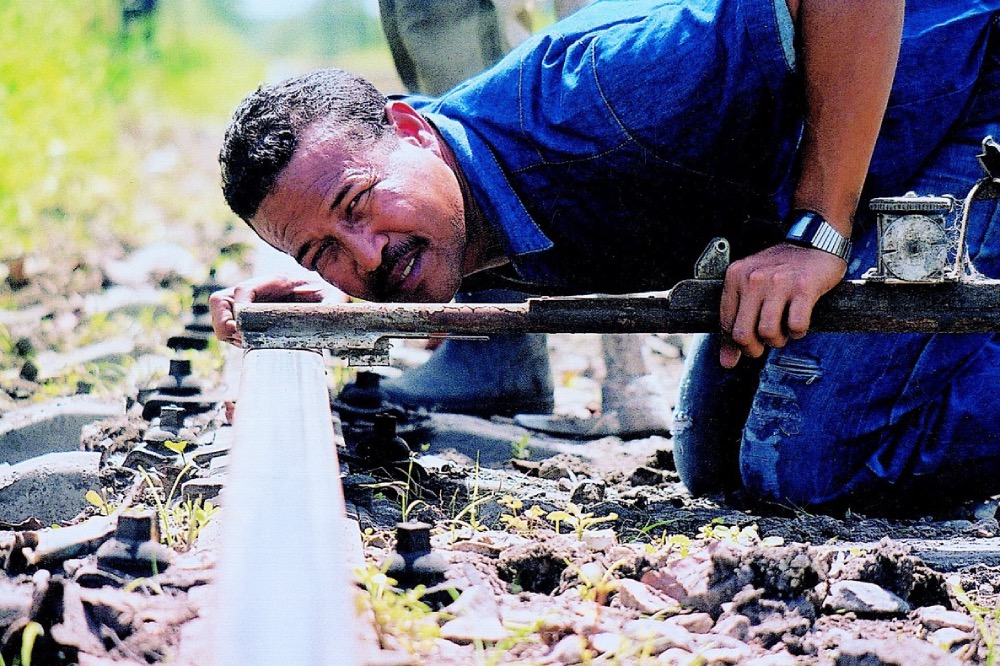
Suite Habana gewann den ersten Preis bei den Festivals in Havanna und im spanischen San Sebastian und löste insbesondere in Kuba grosse Emotionen aus. Suite Habana kommt ganz ohne Dialoge aus und erinnert entfernt - schon im Titel klingt es an - an Walter Ruttmanns Meisterwerk "Berlin, Sinfonie einer Grosstadt" von 1927: das Portrait einer Metropole im Verlauf eines Tages gesehen, vom Morgengrauen bis zur Nacht. Allerdings stehen bei Perez' Film die einzelnen Menschen im Vordergrund. Der Film zeigt uns 10 "durchschnittliche" Kubaner an einem x-beliebigen Tag vom Aufstehen bis zum Schlafengehen und zeichnet damit gleichzeitig ein intimes Portrait der Stadt Havanna: Francisquito, ein Junge mit Downsyndrom; sein Vater, der seinen Job gewechselt hat, um besser für ihn da sein zu können; ein junger Tänzer, dem zuhause das Haus einstürzt; ein Angestellter im Krankenhaus, der abends als Transvestit auftritt; Jorge Luis, der in die USA auswandert, u.a. mehr...
Die einzelnen Geschichten - jede für sich eigentlich unabhängig - überkreuzen sich in dieser Stadt, die trotz ihres Verfalls vor Vitalität strotzt.
Suite Habana bewegt sich zwischen allen Kategorien und könnte als ein mit den Mitteln des Spielfilms inszenierter Dokumentarfilm bezeichnet werden. Seinen künstlerischen Wert verdankt er unter anderem der herausragenden Arbeit des Kameramanns Raul Perez Ureta, der schon bei fast allen früheren Filmen mit Perez zusammen arbeitete. Es entspricht Perez und Uretas künstlerischen Intentionen, dass sich der Film in erster Linie mittels der Kraft der Bilder ausdrückt.
Der Film bietet Raum für die unterschiedlichsten Lektüren. Er wurde in Kuba von der staatlichen Presse bis hin zur katholischen Zeitschrift "Palabra Nueva" hochgelobt, ebenso auch von der Exilpresse in Miami. Fernando Pérez verwahrt sich einerseits gegen zu schlichte Interpretationen, andererseits sind die unterschiedlichen Lesarten für ihn in gewisser Weise Ausdruck der kubanischen Realität, die der Film wiedergibt, die eben mehr als nur eine einzige Realität ist. "Die kubanische Wirklichkeit ist sehr komplex, man kann Kuba nicht in ein reduktionistisches Schwarz/Weiss - Schema pressen".
Ein Verdienst des Films ist es, genau diese widersprüchliche Realität mit all ihren Schattierungen eingefangen zu haben: vom mit Unerbittlichkeit gefilmten Verfall von Teilen der Stadt bis hin zur Fürsorge des Staates für ein behindertes Kind. Immer präsent die Liebe und Hingabe, mit der der Regisseur seine Habaneros zeichnet, die inmitten schwieriger Lebensumstände nicht aufhören, zu träumen und ihr Leben in Würde zu führen. Wahrscheinlich wurde der Film deswegen in Kuba mit soviel Emotion aufgenommen.
EN
Suite Habana won first prize at the film festivals in Havana and San Sebastián, Spain, and stirred up strong emotions, particularly in Cuba. Suite Habana features no dialogue at all and is vaguely reminiscent – as the title itself suggests – of Walter Ruttmann’s 1927 masterpiece *Berlin, Symphony of a Great City*: a portrait of a metropolis over the course of a single day, from dawn to nightfall. However, in Perez’s film, the focus is on individual people. The film shows us 10 ‘ordinary’ Cubans on a typical day, from the moment they get up until they go to bed, whilst at the same time painting an intimate portrait of the city of Havana: Francisquito, a boy with Down’s syndrome; his father, who has changed jobs so he can be there for him more; a young dancer whose house collapses at home; a hospital employee who performs as a transvestite in the evenings; Jorge Luis, who emigrates to the USA, and more...
The individual stories – each of which is, in itself, independent – intersect in this city, which, despite its decay, is brimming with vitality.
*Suite Habana* straddles all categories and could be described as a documentary filmed using the techniques of a feature film. It owes its artistic merit, amongst other things, to the outstanding work of cinematographer Raúl Pérez Ureta, who has collaborated with Pérez on almost all his previous films. It is in keeping with Pérez and Ureta’s artistic intentions that the film expresses itself primarily through the power of its images.
The film lends itself to a wide variety of interpretations. It has been highly praised in Cuba by everyone from the state-run press to the Catholic magazine *Palabra Nueva*, as well as by the exile press in Miami. Whilst Fernando Pérez rejects overly simplistic interpretations, he also sees the different interpretations as, in a sense, an expression of the Cuban reality that the film portrays – a reality that is, in fact, more than just a single reality. “Cuban reality is very complex; you cannot squeeze Cuba into a reductionist black-and-white framework.”
One of the film’s merits is that it has captured precisely this contradictory reality in all its nuances: from the relentlessly filmed decay of parts of the city to the state’s care for a disabled child. Ever-present is the love and devotion with which the director portrays his Habaneros, who, amidst difficult living conditions, never cease to dream and to lead their lives with dignity. This is probably why the film was received with such emotion in Cuba.
ES
Suite Habana ganó el primer premio en los festivales en La Habana y en San Sebastian. En Cuba ha provocado una verdadera conmoción. Suite Habana no necesita diálogos y cuenta la historia de un día cualquiera en la vida de diez cubanos comunes y corrientes, desde que se
levantan hasta que se acuestan, y a la vez es un retrato intimista de La Habana. Entre sus protagonistas está Francisquito, de 10 anos con sindrome de DOWN, y su padre, que ha cambiado su oficio de arquitecto por el de constructor por cuenta propia para poder atenderle. Son también personajes un joven bailarin a quien se le está cayendo la casa, un trabajador
de un hospital que algunas noches actua en un espectaculo de travestidos, una anciana vendedora de maní en la calle, Jorge Luís, que emigra a EE UU, y otros mas...
Todos, o casi todos, son presentados desde una doble perspectiva: son gente común y al mismo tiempo excepcional. Las historias - independientes entre sí - se entrecruzan en una ciudad que late con vitalidad pese a su decadencia.
Suite Habana mezcla los generos y se puede calificar la obra como documental con una puesta en escena de la cine de ficción. Su valor artistica se debe también a la excelente fotografia de Raul Perez Ureta que ya trabajo con fernando Perez en casi tadas sus obras anteriores. En cuanto al rol protagonico de la fotografia, Perez siempre quiso hacer un cine que se expresa mas por la imagen.
La película da espacio a muy distintas lecturas. Ha sido elogiada desde los diarios cubanos estatales hasta la revista catolica Nueva Palabra y hasta la prensa militante de Miami que consideró la obra como un acuso politico. Fernando Perez rechaza interpretaciónes simples de este tipo pero piensa al mismo tiempo que las distintas lecturas reflejan de cierta manera la realidad cubana que no es una sola, ni en su película ni en la vida cotidiana. "La realidad cubana es compleja, no se puede mirar Cuba en blanco y negro, de modo reduccionista" (El país, 7 de agosto 2003).
Uno de los mayores méritos de la película es precisamente ése, haber captado y retratado la realidad cubana actual con sus matices y contradicciónes. Está la decadencia, fotografiada con toda crudeza. Pero también atrapa el amor que siente el director por unos personajes que siguen so~nando en medio de las dificultades y tratan de sobreponerse a ellas con dignidad. Debe ser por eso que el publico cubano reaccionó tan emocionado.
Trailer:
Foto (c) Trigon-Film